
Home › Passenger lifts
Passenger lifts
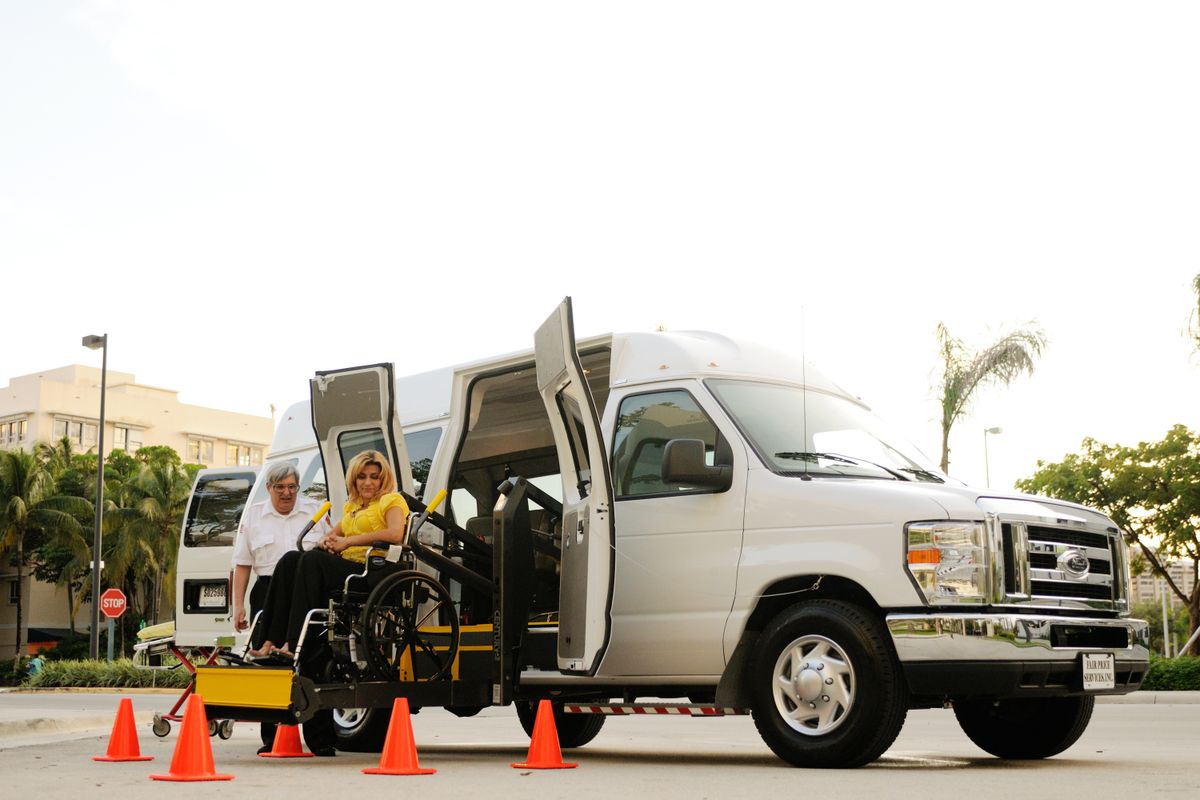
Wheelchair and access lifts for motability and independence — supplied, fitted, and maintained to the manufacturer’s specification by engineers they trained.
A passenger lift is somebody’s independence. When it fails, a person does not get to work, or to hospital, or home — which is a different order of problem from a pallet sitting on a dock.
That shapes how these are maintained. The examination interval is twice as frequent as a goods lift, the safety devices matter more, and a fault that would be an inconvenience on a tail lift is a reason to take a passenger lift out of service until it is right.
We supply, fit and maintain wheelchair and access lifts for private vehicles, care operators and community transport — and we are independent, so the advice is about which lift suits the vehicle and the passenger rather than which one we sell.
Compliance
The lift is lifting equipment
Where a lift raises or lowers people, LOLER 1998 requires a thorough examination at least every six months — twice as often as a goods-only lift. That is not a technicality: it is the regulation recognising that the consequence of a failure is different. We examine and weight test, and we would rather do it alongside the service so the vehicle is off the road once.
LOLER inspections- 6 monthsWhere the lift raises or lowers people
- 12 monthsWhere it carries goods only
- Written schemeSets the interval instead, where a competent person has drawn one up
What we do with them
Supplied, fitted, serviced, repaired
- 01Wheelchair and access lifts supplied and fitted
- 02Retro-fits to existing vehicles
- 03Conversions for care and community transport
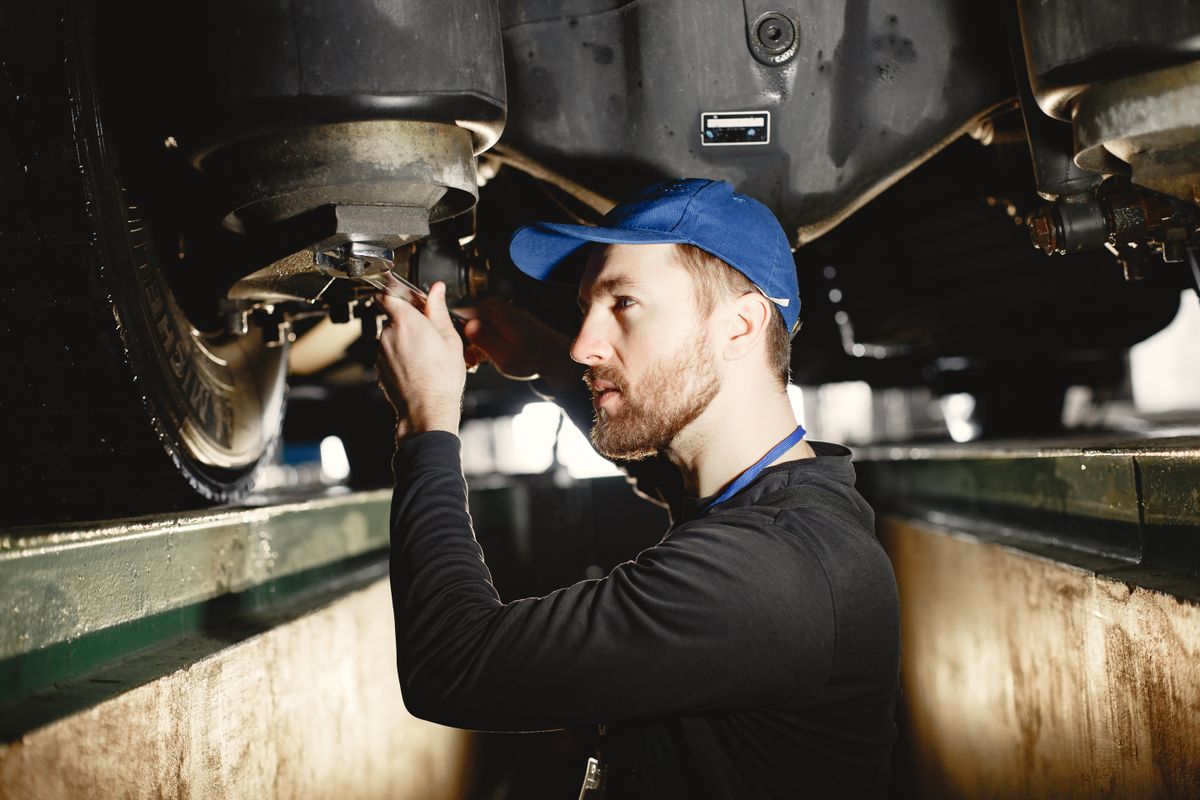
- 04Planned servicing to the manufacturer's schedule
- 05Breakdown and repair with genuine parts
- 06Six-monthly LOLER thorough examination
- 07Weight testing and certification
How a job runs
Off the road once, and back out working
-
1
Tell us the vehicle and the passenger
The vehicle, and how the lift will actually be used. Both change what suits.
-
2
We specify it impartially
Platform, capacity and controls to suit — we are not working through one manufacturer's range.
-
3
Fitted and proved
Installed to the manufacturer's specification and load tested before anybody travels on it.
-
4
Six-monthly from then on
Examination and service on a schedule, with the report you are required to hold.
Common questions
Tail lifts, asked and answered
Why every six months rather than twelve?
Can a lift be fitted to a vehicle we already own?
Do you work with care operators and community transport?
What happens if it fails an examination?
Can you service a lift somebody else fitted?
Do you come to us?
Need a lift looked at?
Tell us the vehicle and what it is doing. We will tell you whether it is a service, a repair or an examination that is due.